

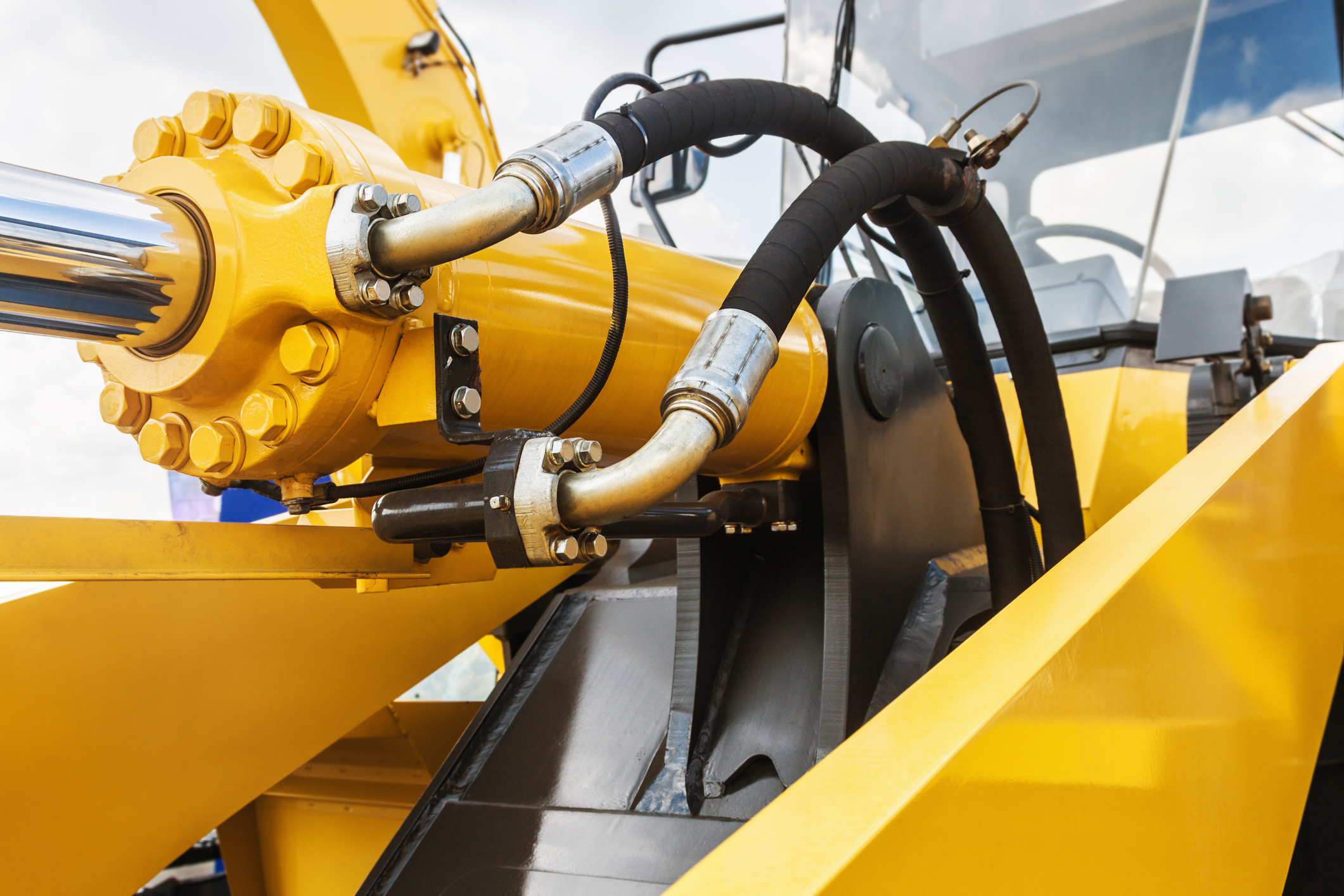
When a tractor’s hydraulics go weak, slow, or start throwing codes, it can stop you cold in the middle of planting or harvest. Tractor hydraulics troubleshooting comes down to a handful of usual suspects, and knowing them helps you describe the problem — and get it fixed faster. Here is what we see most.
Slow or Weak Hydraulics
If the loader lifts slow, the three-point is weak, or the remotes barely move an implement, the system is not getting the flow or pressure it should. The usual causes are low or cold oil, a worn pump that is bypassing, a clogged filter or screen, or a relief valve dumping early. On a tractor that has gotten gradually weaker over a season, a tired pump is a common find.
Hydraulics That Quit When Hot
A system that works cold and then fades as it heats up usually has a pump or component that is worn just enough to bypass once the oil thins with heat. It is a classic sign of internal wear, and it tends to get worse as the season goes on.
A Cylinder That Won’t Hold
If a loader or implement drifts down on its own, a lift cylinder has likely blown its seals, or a remote valve is leaking internally. Lip cylinders on plows and lift cylinders on planters are common offenders — they blow a seal and the implement will not stay up. A reseal and pressure test fixes the cylinder; a leaking valve needs the valve addressed.
Hydraulic Fault Codes
Modern tractors monitor hydraulic pressure and flow and will throw a code when something is off — low oil, a pressure problem, or a sensor reading out of range. The dealer can read the code, but the code points at a symptom; the actual cause is often a leak, a worn pump, or a return-line problem. We have chased plenty of these down to a mechanical cause the code alone did not explain.
Running Low on Oil
Many tractors share hydraulic and transmission oil, so a hydraulic leak can drop the level enough to trip a code and cause erratic operation. A system low on oil pulls air, runs weak, and overheats. Finding and fixing the leak is step one.
Implement and Remote Problems
Sometimes the tractor is fine and the trouble is at the implement — a stuck coupler, a leaking implement cylinder, or a remote that will not shift. Manure tanks, grain carts, and planters run off the tractor’s remotes, and a problem there feels like a tractor problem. We sort out which end is actually at fault.
Don’t Guess in Season
In planting and harvest, time lost to a misdiagnosis is time you do not get back. Proper tractor hydraulics troubleshooting — testing flow and pressure to find the real cause — beats throwing parts at it and hoping. We stock chrome rod and common seals to turn cylinder work around fast when the clock is running.
Every Brand in the Shed
Good tractor hydraulics troubleshooting does not care what color the tractor is. We work on John Deere, Case IH, New Holland, Kubota, Massey Ferguson, and Caterpillar hydraulics, plus the planters, balers, and grain carts behind them. We are not a dealer pushing one brand — we just fix the hydraulics on whatever you run.
When to Stop and Call
Part of smart tractor hydraulics troubleshooting is knowing when to stop. If the oil is low, foamy, or you hear the pump cavitating, shut it down — running it that way destroys the pump fast. If a cylinder will not hold a loaded implement, do not work under it. Catching these early keeps a repair small.
Implement-Side Problems
Sometimes the tractor checks out fine and the trouble is the implement — a stuck quick-coupler, a leaking implement cylinder, or a remote that will not shift. Manure tanks, grain carts, and planters all run off the tractor’s remotes, so a problem there feels like a tractor problem. Sorting out which end is at fault is half the tractor hydraulics troubleshooting battle.
Get Your Tractor Back in the Field
See our tractor and combine hydraulic repair page, or call or text Ames Hydraulics at 515-292-2599. Send a photo or video of the leak or the part and we will tell you what it needs.

Written by Josiah Ragsdale
Owner, Ames Hydraulics — Ames, Iowa
Josiah owns and operates Ames Hydraulics. He has worked on hydraulic and heavy equipment since he was 18, and every hydraulic cylinder his shop rebuilds is pressure tested before it ships back to the customer. More about Josiah →
Got something broken? Call or text 515-292-2599