

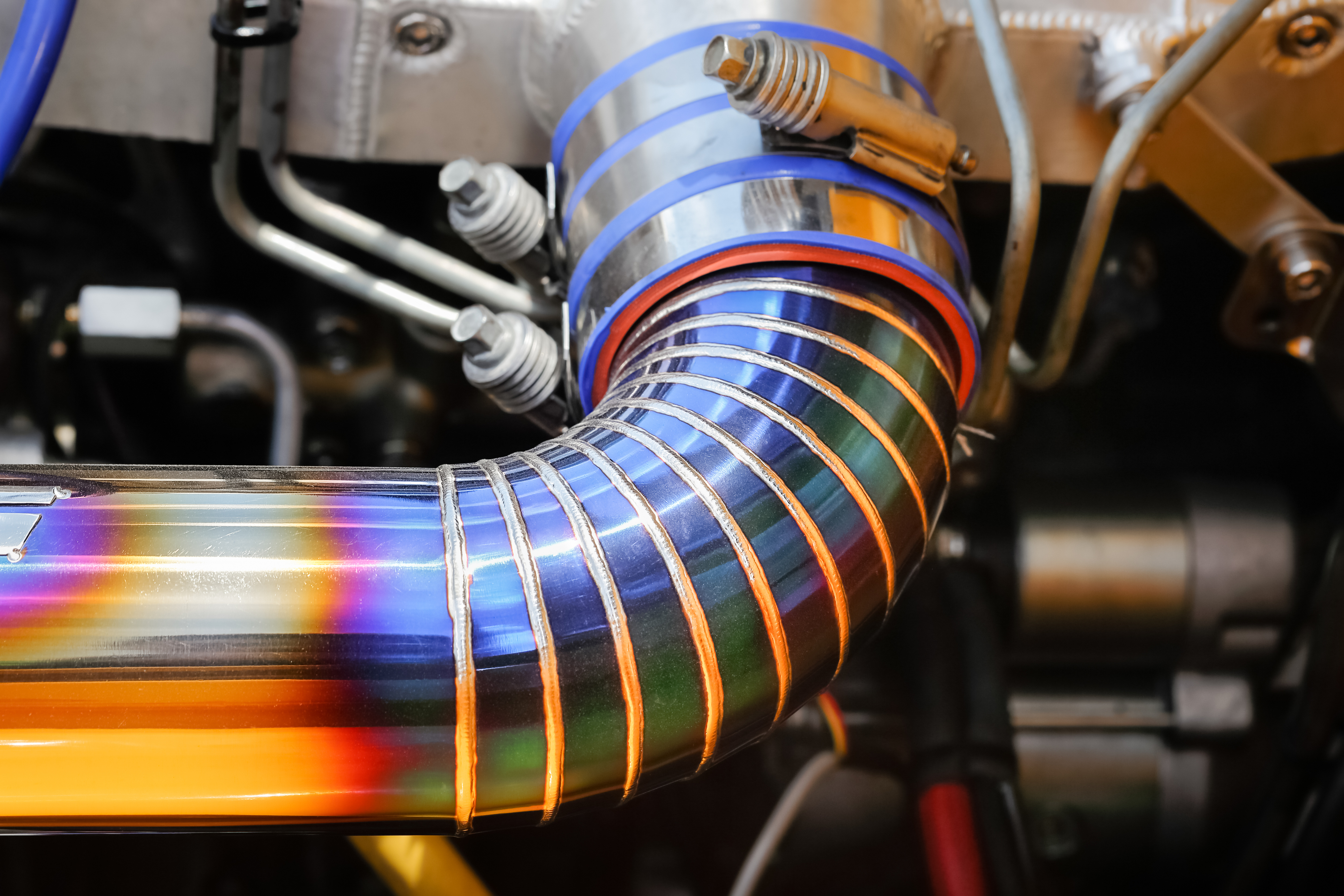
Aluminum Welding — TIG, MIG & Repair for Trailers, Tanks & Frames
Aluminum welding is a different job than steel welding, and the shops that treat it like steel produce welds that crack, warp, or leak within the first year of service. Aluminum conducts heat fast, oxidizes the instant a puddle forms, and reads impurity contamination in ways steel never does. At Ames Hydraulics we run aluminum welding jobs on a dedicated setup, with a welder who’s built up specifically on the material — not one who welds steel all day and switches to aluminum on Friday. That distinction is why we pull repeat work on aluminum trailer skins, saddle tanks, fuel tanks, air tanks, hydraulic reservoirs, and structural aluminum framing.
TIG vs MIG for Aluminum — When Each One Is Right
The choice between TIG and MIG on aluminum welding comes down to material thickness, the cosmetic requirement, and how much heat the part can absorb before it warps. TIG (gas tungsten arc welding) with an AC-capable machine and pure argon is the right tool for thinner-gauge aluminum: trailer skins, RV panels, fuel tanks, food-grade tanks, decorative work, and anywhere a clean bead face matters. MIG (with a spool gun or push-pull setup) is faster and better on thicker material: 3/16″ and up, structural aluminum, frame gussets, heavy tank walls. A good aluminum welding shop uses both processes depending on the job. We keep both setups in-house and pick the right one for the part, not the one we happen to have running.
One trap on aluminum welding that a lot of general fab shops fall into: welding aluminum that hasn’t been properly cleaned. Aluminum oxide forms in seconds on a bare aluminum surface, and welding through that oxide layer traps porosity in the bead. Every clean-metal weld we do gets a fresh stainless brush pass right before the arc strikes — not the day before, not that morning, right before the weld. That’s a small process detail with a huge impact on long-term weld integrity.
Common Aluminum Welding Jobs We See In The Shop
The most frequent aluminum welding work we quote is trailer-related. Livestock trailer rub rails, aluminum grain-hopper trailer skins, boat trailer frames, aluminum flatbeds. Trailers take real abuse and aluminum fatigues faster than steel, so the same seam gets welded, ridden hard for another year or two, and welded again. We approach trailer aluminum work with the assumption that the part will see load again, which means we’re not just closing a crack — we’re often adding a doubler plate or a gusset to distribute stress off the weld zone so the repair outlasts the surrounding material.
Tank work is the other big category. Semi truck aluminum fuel tanks, hydraulic reservoirs, air tanks, fifth-wheel trailer water tanks. Tank aluminum welding requires the tank to be completely drained, purged if it held fuel, and then leak-tested after the weld. We don’t skip the leak test — every tank that goes back on a truck gets pressurized to check the repair before it leaves. On fuel tanks especially, we require a written tank-clean or nitrogen-purge sign-off from the customer before we strike an arc; that’s a safety line we don’t cross.
Then there’s structural aluminum: dock plates, aluminum equipment frames, aluminum ladder-frame components, and occasionally decorative or architectural aluminum. This is where the MIG setup earns its keep — production welds on heavier aluminum where speed and penetration matter more than a jewel-face TIG bead.
Materials And Thicknesses We Handle
Standard aluminum welding at our shop covers the alloys you’ll find in trailers and tanks day to day: 5052, 5083, 5086, 5454, 6061, 6063, and occasionally 3003 for softer sheet work. Thicknesses run from about 0.050″ trailer skin up through 1/2″ plate. Above 1/2″ plate we can still weld it, but we’ll usually recommend a shop with heavier equipment for anything running above 3/4″ — that’s honest scope. We’d rather point you to the right shop than take a job we’re not fully equipped for.
Aluminum Welding Cost & Turnaround — What To Expect
Shop aluminum welding pricing at our rate structure typically runs a shop-hour minimum for the setup and a per-inch or per-hour rate for the weld itself. A single small trailer crack repair often runs one shop hour billed. A full aluminum tank leak repair with drain, weld, and test typically runs two to four hours. Complex fabrication or multi-day structural work gets a written estimate before we start. Turnaround on straightforward aluminum welding work is usually same-week; we bring parts into the shop, don’t do roadside or on-farm aluminum welding, because a proper aluminum weld needs a controlled environment — wind, humidity, and dust ruin aluminum welds in ways they don’t ruin steel welds.
Why Trailer, Tank & Frame Owners Come To Us For Aluminum Welding
The value in choosing a specialized aluminum welding shop over a general fab shop or a mobile welder is straightforward: we do enough aluminum every week that our welder stays sharp on the material. We keep clean aluminum-only tools (no cross-contamination from steel work), a dedicated stainless brush, and both TIG and MIG setups running. And every repair gets checked before it goes out — visual on structural, pressure-test on tanks, dye-penetrant if the customer needs it.
We’re an independent shop in Ames, Iowa. If you need aluminum welding done right the first time, bring the part in — call or text and we’ll set up a drop-off. We work on trailers and tanks from all over central Iowa and the surrounding metros. Honest scope: we don’t come to your yard for aluminum, and we don’t do underwater or hazardous-environment aluminum work. Everything else on aluminum, from a crack on a livestock trailer skin to a leaking fuel tank to a structural frame gusset, we handle in-house.

Written by Josiah Ragsdale
Owner, Ames Hydraulics — Ames, Iowa
Josiah owns and operates Ames Hydraulics. He has worked on hydraulic and heavy equipment since he was 18, and every hydraulic cylinder his shop rebuilds is pressure tested before it ships back to the customer. More about Josiah →
Got something broken? Call or text 515-292-2599