

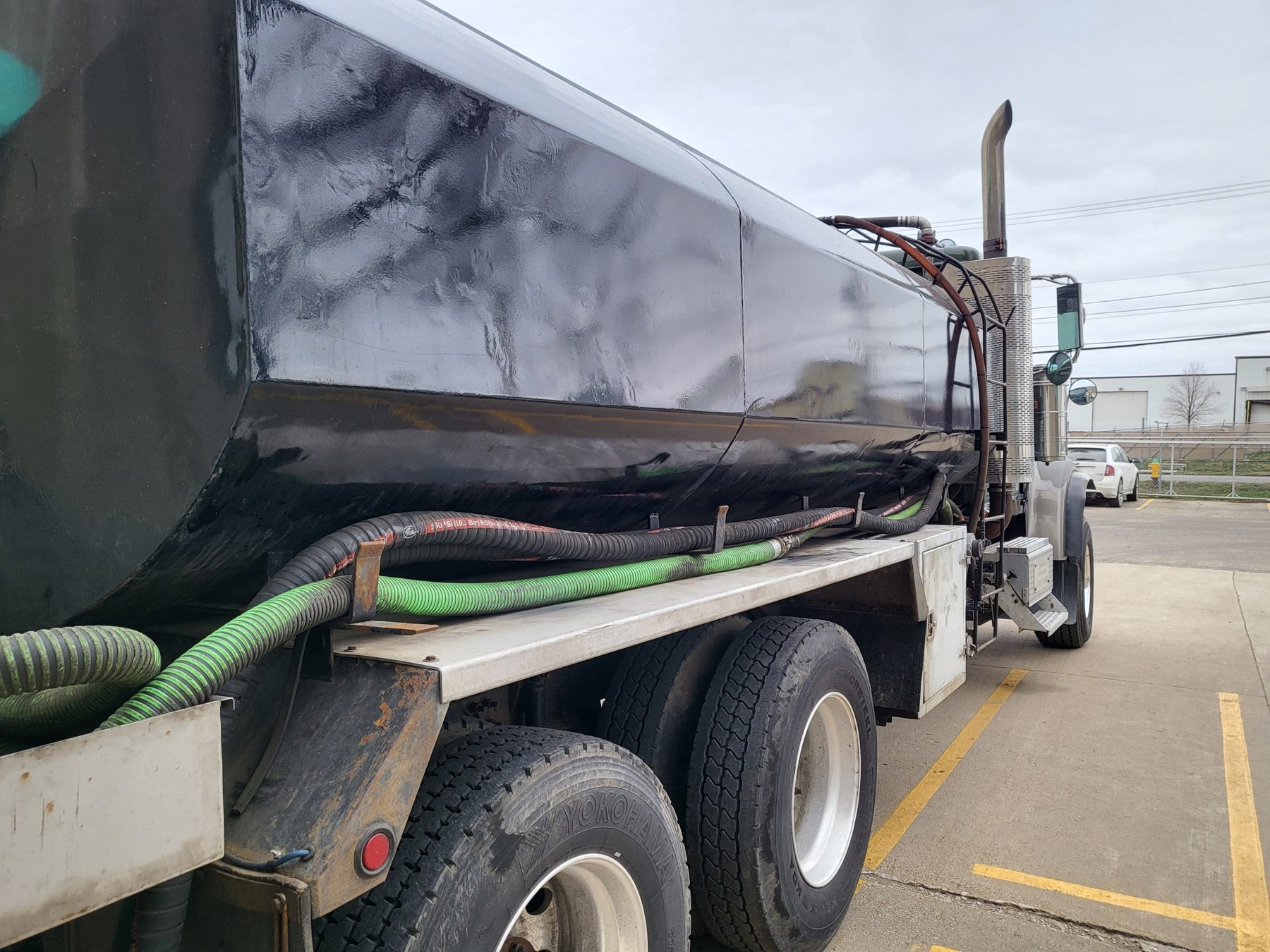
Propane Trailer DOT Inspection: What You Need to Know
A propane cargo tank is a pressure vessel hauling a flammable, liquefied gas, so the federal government regulates how it gets inspected and tested over its life. If you operate one, staying current isn’t optional, and the rules can be confusing the first time through. This guide lays out what a propane trailer dot inspection actually involves, how often each test comes due, and where the requirements come from. We service these units at Ames Hydraulics in Ames, Iowa, so we deal with these rules every week.
Where the Rules Come From
Most propane road trailers are built to the MC-331 cargo tank specification, which is the DOT spec for transporting compressed and liquefied gases like propane. The inspection and test requirements live in the federal hazardous materials regulations, specifically 49 CFR 180.407, administered by PHMSA (the Pipeline and Hazardous Materials Safety Administration). A proper propane trailer dot inspection follows that table of requirements, and the intervals are set by regulation, not by whatever a shop decides to do.
The Tests and How Often They Come Due
Under 49 CFR 180.407, an MC-331 propane cargo tank has several distinct requirements, each on its own clock:
- External visual inspection — every 1 year. A walk-around look for corrosion, damage, leaks, and the condition of fittings, valves, piping, and the emergency shutoff.
- Leakage test — every 1 year. The tank is checked for leaks at fittings, valves, and welds, typically with a leak-detecting fluid that shows bubbles, performed at the tank’s design conditions.
- Internal visual inspection — every 5 years. An inspection of the inside of the tank for corrosion and defects.
- Pressure test — every 5 years. A pressure (requalification) test to confirm the vessel still holds.
One important wrinkle: for propane, the internal inspection and pressure test on quenched-and-tempered steel tanks must be done in conjunction with a wet fluorescent magnetic particle inspection, because of how that steel can crack. There’s also a narrow exception in the rule where certain smaller tanks in dedicated propane service built from specific non-quenched-and-tempered steel get extended 10-year intervals on the internal and pressure tests. Whether your specific tank qualifies depends on its build and data plate, so don’t assume it applies. A correct propane trailer dot inspection starts by reading the data plate and the tank’s history.
Annual, Five-Year, and the Records You Have to Keep
It helps to think about the schedule in two buckets. The annual work is the external visual and the leakage test, which catch the day-to-day wear: corrosion creeping in, a fitting starting to weep, a relief valve that’s overdue for attention. The five-year work, the internal visual and the pressure test, is the deeper requalification that confirms the vessel itself is still sound. Because these run on separate clocks, it’s common for a trailer to be due for the annual items in a year when nothing major is happening, then come due for everything at once at the five-year mark. Planning for that big year keeps you from getting parked at an inconvenient time.
The other piece people forget is records. The regulation requires that test and inspection results be documented and retained, and the tank has to be marked with the date and type of the most recent tests. If a roadside inspector can’t see current markings, it doesn’t matter how good the tank is. Keeping a clean file on each trailer, with dates and the next-due items, turns a stressful scramble into a routine appointment.
What an Inspector Actually Looks At
Beyond the formal test names, here’s the kind of thing that gets checked during a propane trailer dot inspection:
- Tank shell and heads for dents, gouges, corrosion, and weld condition.
- Piping, hoses, and fittings for leaks, wear, and proper securement.
- Valves, including the internal (emergency) valve, the relief valve, and the shutoffs.
- The emergency discharge control and remote shutoff function.
- Markings, the specification plate, and the inspection markings themselves.
- Running gear, mounting, and the way the tank is attached to the frame.
Why Keeping Current Matters
Out-of-date markings will put you out of service in a roadside check, and an over-pressure or a leak on a propane tank is a serious hazard, not just a paperwork problem. Staying ahead of each interval keeps the trailer legal and, more to the point, keeps it safe to load. Tracking the dates is on you as the operator, but knowing what a propane trailer dot inspection requires makes it a lot easier to plan around. We always recommend confirming current requirements against the regulation or with a qualified inspector, since the rules do get updated.
Get Your Propane Trailer Handled in Ames
Ames Hydraulics works on tank and propane trailers for operators all over Central Iowa, and we can help you keep on top of your propane trailer dot inspection schedule and handle the tank and trailer repairs that come out of it. We’re at 210 Freel Dr, Ames, IA 50010, Monday through Friday, 7AM–5PM, with free pickup and delivery within 60 miles. Call or text 515-292-2599. See our DOT propane trailer inspection page, and for tank work we also do full tank trailer repair.

Written by Josiah Ragsdale
Owner, Ames Hydraulics — Ames, Iowa
Josiah owns and operates Ames Hydraulics. He has worked on hydraulic and heavy equipment since he was 18, and every hydraulic cylinder his shop rebuilds is pressure tested before it ships back to the customer. More about Josiah →
Got something broken? Call or text 515-292-2599